Nexus Flux Editorial — 防災 DIY ガイド Disaster Preparedness for Every Household

Disaster Preparedness DIY Guide

防災 DIY ガイド

Japan experiences more natural disasters per year than almost any other nation on earth. This guide exists for one reason: to help every household — whether you live in a dense Tokyo ward or a rural coastal town — build real, practical preparedness into daily life. No panic. No fear. Just clear, actionable steps you can take this weekend.

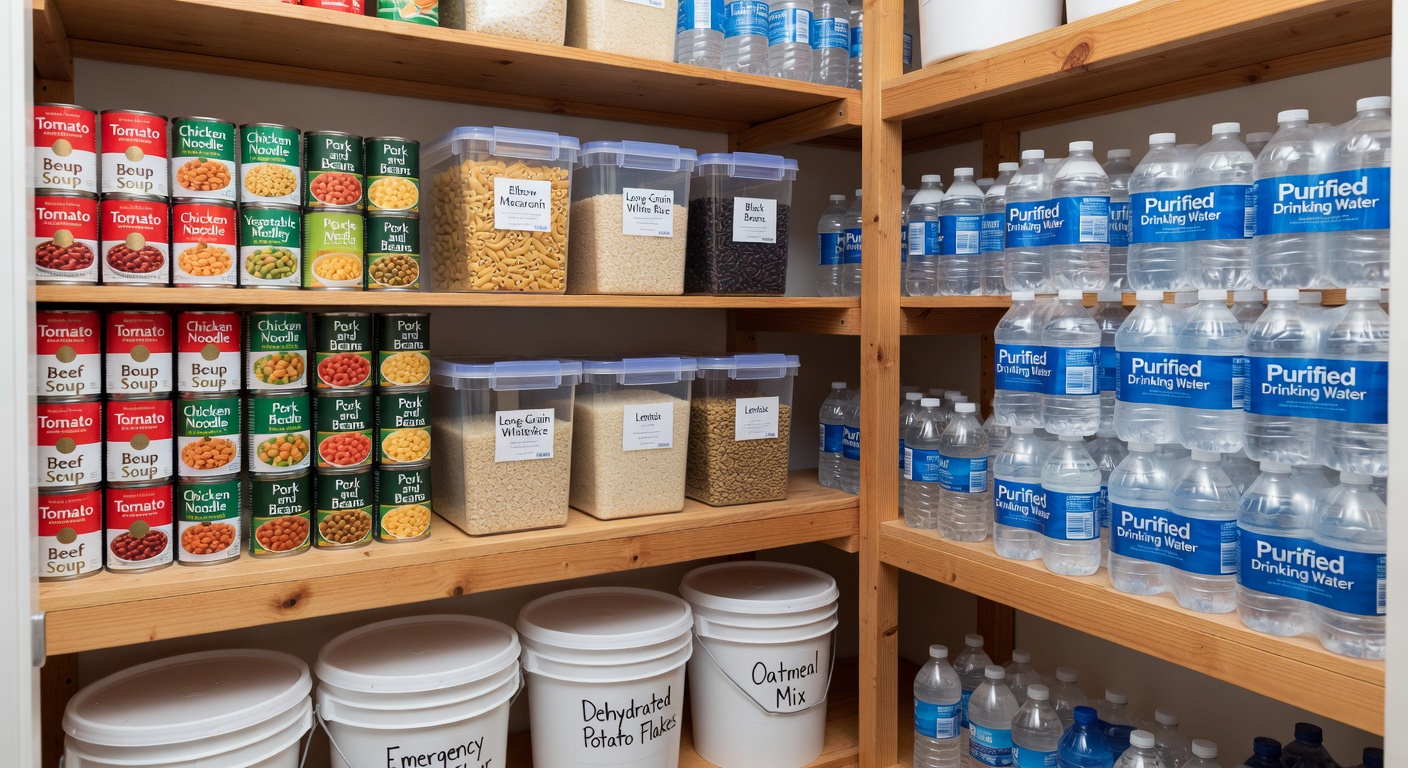
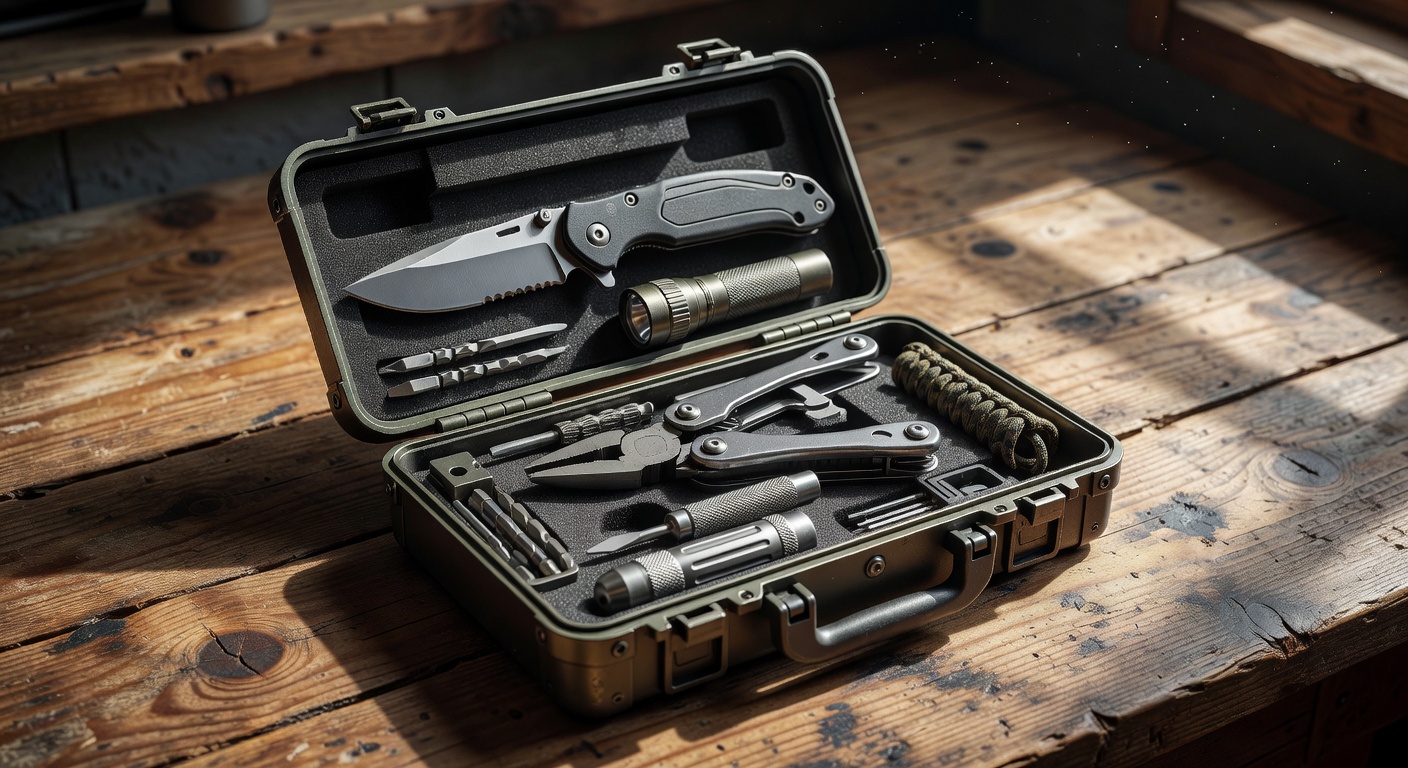
Organized emergency food supplies including canned goods, water bottles, and packaged rations stored for disaster readiness A multi-tool survival kit laid out with essential items including a multi-function knife, flashlight, first aid supplies, and emergency tools

Our Mission

Nexus Flux Editorial’s Disaster Prep DIY site is a free, advertising-supported resource built for residents of Japan and anyone living in disaster-prone regions. Every article is written with the goal of translating professional emergency management guidance into practical, household-level actions. We cover earthquakes, floods, typhoons, power outages, and more — with honest, straightforward advice that respects your time and intelligence.

We believe that preparedness is not about fear — it is about confidence. A household that has stored three days of water, assembled a go-bag, and talked through an evacuation plan with its members is a household that can act calmly when the shaking starts or the river rises. That calm, in a crisis, saves lives.

Who This Site Is For

Whether you are a long-term resident of Japan or newly arrived, whether you live alone or manage a multi-generational household, this guide is designed to be accessible. All advice follows guidance from Japan’s Cabinet Office (内閣府), the Tokyo Metropolitan Government, and the Japan Meteorological Agency (気象庁). We update our content regularly to reflect current official recommendations.

Essential

Build Your Emergency Kit from Scratch

A step-by-step guide to assembling a reliable go-bag and home emergency kit using items available at any Japanese hardware or convenience store. Includes a printable checklist covering the 72-hour minimum recommended by the Cabinet Office.

Food & Water

Emergency Food & Water Storage

Learn how to store at least three to seven days of drinking water and non-perishable food for your entire household. We cover rotation schedules, calorie planning, dietary restrictions, and the best storage containers for small Japanese apartments.

Earthquake

Earthquake-Proofing Your Home

Japan averages over 1,500 earthquakes strong enough to be felt every year. This guide walks you through furniture anchoring, securing bookshelves and appliances, identifying safe zones in each room, and what to do the moment shaking begins.

Flood & Typhoon

Flood Defense for Your Home

Typhoon season and river flooding pose a serious risk to homes across Japan’s lowland areas. Discover how to read hazard maps (ハザードマップ), install simple flood barriers, waterproof important documents, and know when to evacuate early.

Power

Power Backup & Off-Grid Essentials

Extended blackouts following major disasters can last days or weeks. This guide covers portable battery stations, solar charging options, safe use of gas appliances, and how to keep medical devices running when the grid goes down.

Evacuation

Creating a Family Evacuation Plan

An evacuation plan that lives only in your head is not a plan. Learn how to map your local evacuation routes, designate meeting points, communicate with family members during a network outage, and register with your ward office for disaster alerts.
Why Prepare? Japan by the Numbers

Japan sits at the intersection of four tectonic plates and is struck by an average of 25 typhoons per year in the western Pacific. The statistics below come from the Japan Meteorological Agency, the Cabinet Office Disaster Management division, and the National Research Institute for Earth Science and Disaster Resilience (NIED). They are not meant to alarm — they are meant to inform.

1,500+ Perceptible earthquakes in Japan per year on average
20% Share of the world’s magnitude 6.0+ earthquakes that occur in Japan
25 Average number of typhoons that form in the western Pacific each year
72 hrs Minimum self-sufficiency period recommended by Japan’s Cabinet Office (内閣府)
70% Of Japan’s landmass classified as mountainous, increasing landslide risk
3–7 days Food and water supply experts recommend storing for your household

The 72-Hour Rule — なぜ 72 時間なのか

Japan’s Cabinet Office recommends that every household be capable of surviving for at least 72 hours (three days) without outside assistance following a major disaster. This is the time it typically takes for emergency services to become organized and reach affected households. Newer guidance suggests extending this to one week where possible. Our guides help you reach both benchmarks in practical, affordable steps.

The 2011 Great East Japan Earthquake (東日本大震災) killed nearly 20,000 people and caused over ¥16 trillion in damage. The 1995 Great Hanshin Earthquake (阪神・淡路大震災) killed over 6,400 people, most within the first hour. The single greatest factor in individual survival during both events was household preparedness — secured furniture, accessible emergency supplies, and a known evacuation route. Preparation is not paranoia. It is one of the most practical investments a household can make.

Where to Start

If you are new to disaster preparedness, the most important first step is not buying anything — it is assessing your situation. Ask yourself three questions:

If you answered “no” to any of these, start there. Browse the guides linked in this site and work through them at your own pace. Each article is self-contained and practical, designed to be read once and acted on immediately.

Start with the Emergency Kit

If you have only one hour to spend on disaster preparedness today, spend it on building your emergency kit. A go-bag with water, a first aid kit, a flashlight, a battery radio, and copies of key documents gives you a foundation you can build on over time. Our Emergency Kit DIY guide includes a complete checklist and sourcing advice for every item.